Creating a Shot List: Must-Have Photos for Every Wedding
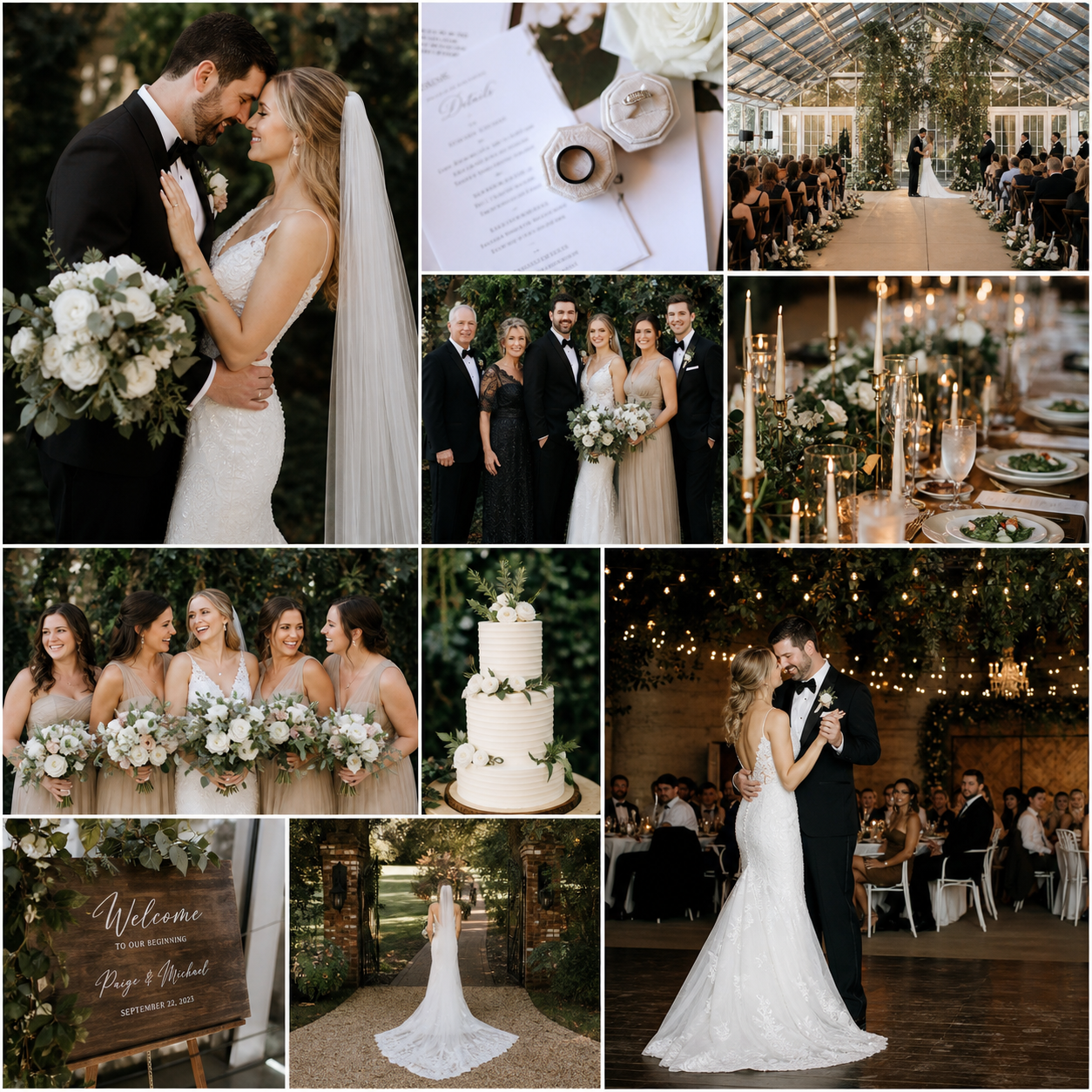
A wedding photography shot list helps couples and photographers agree on the moments, people, and details that matter most. It should guide the day without turning it into a rigid schedule, leaving room for genuine reactions, unexpected light, and candid wedding photography.
Why a Wedding Photography Shot List Matters
A wedding photography shot list keeps priorities aligned, reduces missed moments, and gives the photographer a practical workflow for a fast-moving wedding day. The strongest list combines essential images with personal requests and flexible creative coverage.
Wedding days involve several locations, overlapping events, and people who may not always be easy to gather. A written list gives the couple, photographer, wedding planner, coordinator, and family helper the same reference point. It also turns broad requests such as photos of everyone into clear instructions.
A useful shot list usually has three levels:
- Essential: non-negotiable images, such as the ring exchange, first kiss, immediate-family portraits, and couple portraits.
- Personal: meaningful people, heirlooms, cultural traditions, or specific combinations the couple wants documented.
- Optional: creative compositions, extra guest groups, venue variations, or images captured if time allows.
Build the list around the wedding day timeline, not a generic sequence. Travel time, venue restrictions, ceremony length, sunset, accessibility, and reception changes can all affect what is realistic. A short, prioritized list is more useful than a long catalogue that cannot be completed.
Before the Ceremony: Getting-Ready and Detail Photos
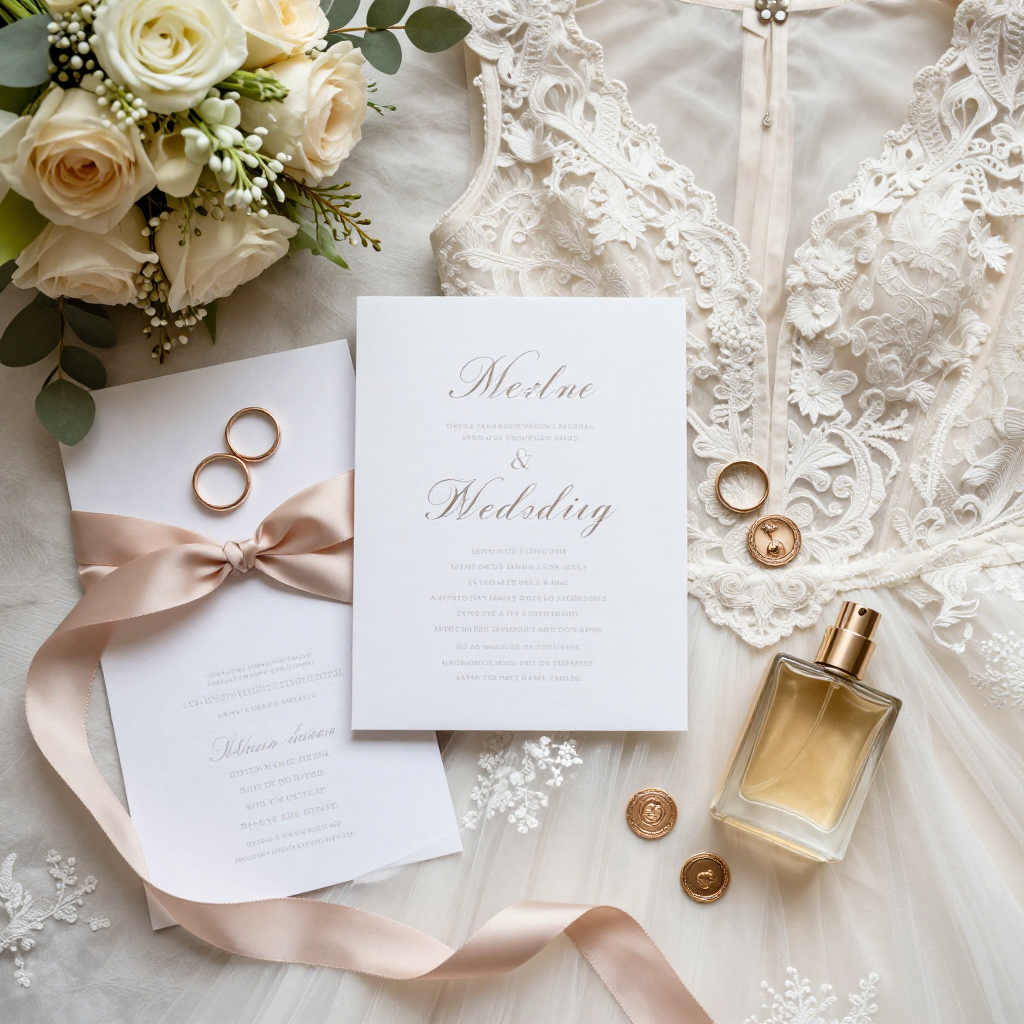
Getting-ready photos and wedding details should document the visual story of preparation, including attire, rings, stationery, accessories, people, and meaningful objects. Photographing these items early protects time for portraits later.
Details to photograph
- Wedding dress, suit, shirt, shoes, veil, tie, cufflinks, and other attire
- Engagement ring and wedding bands, ideally together when possible
- Invitation suite, ceremony program, menus, place cards, and handwritten vows
- Bouquets, boutonnieres, floral arrangements, ribbons, and styling details
- Jewelry, perfume, watches, family heirlooms, gifts, and sentimental keepsakes
- Venue architecture, ceremony setup, tablescapes, signage, and welcome displays
Getting-ready coverage can include hair and makeup, a parent or friend fastening clothing, final adjustments, laughter, quiet reflection, and the moment each person sees the finished look. These images work best when the photographer has access to a tidy, well-lit room and a few minutes without unnecessary interruptions.
Ask the couple to place all small details in one box before the photographer arrives. That simple step can save 10 to 20 minutes of searching. The photographer should also know whether any personal item carries special significance, such as a grandparent’s brooch or a letter that will be opened privately.
Ceremony Photos to Include
Ceremony photography should cover the entrance, key promises, guest reactions, and the atmosphere of the venue. A complete ceremony record includes both decisive moments and quieter images that show how the event felt.
- Empty ceremony space before guests enter
- Processional, including attendants, family members, and the couple
- Reactions between the couple and the wedding party
- Officiant, readings, prayers, musical performances, and cultural rituals
- Vows, ring exchange, and any symbolic unity ceremony
- Parents, grandparents, children, and guests responding emotionally
- First kiss, signing of the marriage certificate when permitted, and recessional
- Wide venue images showing the ceremony setting and gathered guests
Before the ceremony, confirm rules about movement, flash, photography from the altar, and restricted moments. Religious and cultural traditions may require the photographer to remain in one position or avoid photographing certain rituals. The couple should explain these expectations during the photographer-client questionnaire rather than assuming the photographer knows them.
Timing also matters. If the ceremony lasts 20 minutes, there may be little opportunity to change positions. If it lasts 90 minutes, the photographer can document more atmosphere and guest interaction. The shot list should identify priorities while respecting the officiant’s instructions and the ceremony’s tone.
Family and Wedding Party Group Photos
Family formal portraits are easiest when organized from largest groups to smaller combinations, with a designated helper calling people by name. Schedule them immediately after the ceremony or during another clearly protected window in the wedding day timeline.
A practical family portrait framework
- Start with the couple and both sets of immediate family.
- Release one side of the family and photograph combinations with the other.
- Move from larger groups to smaller groups, ending with parents, siblings, or grandparents.
- Add special combinations, such as a couple with a godparent, mentor, or close family friend.
Typical groupings might include:
- Couple with both immediate families
- Couple with one partner’s parents and siblings
- Couple with the other partner’s parents and siblings
- Couple with grandparents, children, or extended family
- Each partner with their own parents, siblings, and grandparents
- Couple with the entire wedding party
- Couple with bridesmaids, groomsmen, attendants, or honor attendants separately
Choose a family helper who knows names and family dynamics. That person can locate missing guests while the photographer maintains the composition. Tell the photographer about divorced parents, strained relationships, mobility needs, hearing difficulties, young children, and anyone who should not be placed together.
Keep the list specific. Couple with bride’s parents and brother is faster than bride’s family. Allow roughly two to four minutes for a straightforward grouping, with extra time for large families, wheelchairs, stairs, or multiple locations. Group portraits provide certainty, but taking too many can reduce time for candid wedding photography and couple portraits.
Couple Portraits and Creative Wedding-Day Images
Couple portraits should include at least one classic, well-composed portrait and several images that show movement, connection, and the character of the venue. Plan a few portrait windows, then let the photographer respond to light and authentic interactions.
Essential couple portraits may include:
- A full-length portrait in wedding attire
- A close portrait showing expressions and rings
- A portrait with the bouquet, veil, or other defining accessory
- An environmental image featuring the ceremony site or reception venue
- A wide composition with architecture, landscape, or dramatic light
- A relaxed sequence of walking, talking, dancing, or simply holding hands
Vary the setting rather than requesting many nearly identical poses. A five-minute hallway sequence, a shaded outdoor portrait, and a sunset image can create more visual variety than twenty formal poses in one location. Consider indoor and outdoor options in case of rain, heat, darkness, or venue restrictions.
The best creative wedding-day images often begin with a small direction: walk slowly, read the note again, look at each other, or share a private joke. This gives the couple something natural to do while allowing the photographer to observe. Leave space for spontaneous moments such as a veil caught by wind, a quiet embrace after the ceremony, or friends pulling the couple into an impromptu dance.
Reception and Evening Must-Have Photos
Reception coverage should document the room, major formalities, guest interaction, and the emotional arc from entrance to farewell. Photograph reception details before guests enter whenever possible, then follow the reception schedule closely.
- Room-wide view, tables, centerpieces, place settings, menus, cake, favors, and signage
- Couple’s entrance and introductions
- Welcome remarks, speeches, parent tributes, and toasts
- Couple reactions and guest responses during speeches
- First dance, parent dances, and other planned performances
- Meal service, candid conversations, laughter, and children at play
- Cake cutting, dessert traditions, bouquet or garter events when included
- Open dancing, musicians or DJ, and energetic guest interactions
- Night portraits, private last dance, sparkler exit, or final farewell
Ask when key events will happen and whether the order may change. A late dinner, delayed speeches, or a shortened reception can affect which images are possible. If coverage ends before the last dance, prioritize the couple’s entrance, speeches, first dance, family reactions, and any tradition that cannot be recreated later.
Reception details deserve attention because they represent months of planning. Photograph the room untouched, then return for images showing how guests use it. That combination captures both design and atmosphere.
How to Personalize and Use the Shot List
Personalize a wedding photography shot list by ranking requests, explaining family dynamics and traditions, and sharing the final version with everyone responsible for the timeline. Keep the list flexible enough for candid moments and the photographer’s creative judgment.
Begin with a photographer-client questionnaire that asks about VIP guests, meaningful objects, sensitive relationships, cultural or religious customs, accessibility needs, privacy preferences, and moments the couple particularly values. Include details such as a surprise performance, a private letter exchange, or a family member who will leave early.
Use a simple priority code:
- A: must photograph if the event occurs
- B: important request, scheduled when practical
- C: optional idea if time, weather, and light cooperate
Share the list with the photographer, coordinator, and designated family helper at least one week before the wedding. Confirm the ceremony location, portrait location, travel time, sunset, reception order, and who will gather family members. If the list changes, send one final version rather than several competing documents.
Avoid four common mistakes:
- Making every image mandatory: this creates pressure and leaves less room for observation. Keep the A list short.
- Using vague family labels: write names and exact relationships to prevent confusion.
- Ignoring logistics: a requested beach portrait may be unrealistic when the venue is 30 minutes inland and the couple has only 15 minutes between events.
- Leaving out traditions or difficult dynamics: advance context helps the team photograph respectfully and avoid awkward interruptions.
A shot list should function like a map, not a script. It protects the images nobody wants to lose while giving the photographer freedom to notice the flower girl’s concentration, a parent’s tears, or friends laughing between formalities.
Wedding Photography Shot List FAQ
How long should a wedding photography shot list be?
A practical list often fits on two to four pages, with roughly 15 to 30 prioritized family and personal requests. The total number matters less than clarity, realistic timing, and a clear distinction between essential and optional images.
Who should help create the family photo list?
The couple should create the priorities, while the photographer checks timing and the coordinator confirms logistics. A trusted family helper should provide names, gather participants, and explain sensitive family situations.
When should family group photos be scheduled?
Family group photos are commonly scheduled immediately after the ceremony, before guests disperse. A first look or pre-ceremony portrait window can reduce pressure, but only if the couple and families are comfortable with that plan.
Can a shot list limit a photographer’s creativity?
A prioritized shot list should support creativity rather than limit it. Problems arise when every candid interaction, pose, and composition is prescribed; essential requests should be specific, while creative coverage remains open.
What details should couples tell their wedding photographer in advance?
Share the wedding day timeline, venue rules, family relationships, VIP guests, cultural or religious traditions, accessibility needs, surprise events, privacy preferences, and any meaningful objects or people that must be photographed.